
Top Video Editing Innovations Revolutionizing the Industry
Introduction to Video Editing Innovations
The world of video editing is constantly evolving, with new technologies and tools transforming the way creators produce content. From AI-driven software to advanced collaborative platforms, these innovations are redefining the industry and making video editing more accessible than ever.
In this blog post, we'll explore some of the top video editing innovations that are revolutionizing the industry today. Whether you're a seasoned editor or a beginner, these advancements are sure to inspire your next project.
AI-Powered Editing Tools
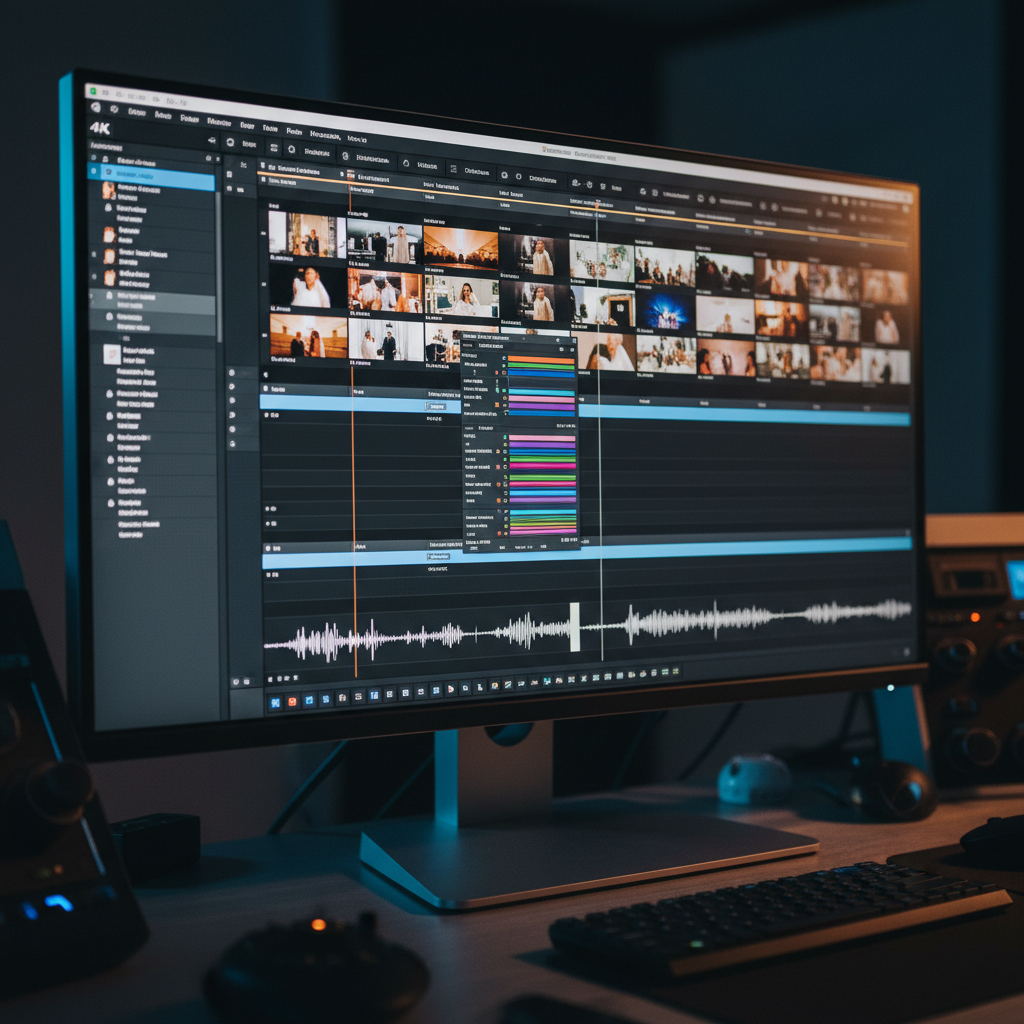
Artificial Intelligence has made a significant impact on video editing, offering tools that automate repetitive tasks and streamline workflows. AI algorithms can now analyze footage and make editing suggestions, saving editors valuable time.
Some AI tools can even perform complex tasks such as color correction, audio balancing, and scene detection with remarkable precision. This not only enhances the quality of the final product but also allows editors to focus on more creative aspects of their work.
Benefits of AI in Video Editing
- Efficiency: Automates tedious tasks, reducing editing time.
- Precision: Enhances accuracy in tasks like color grading.
- Creativity: Allows editors to focus on creative decisions.
Cloud-Based Collaboration Platforms
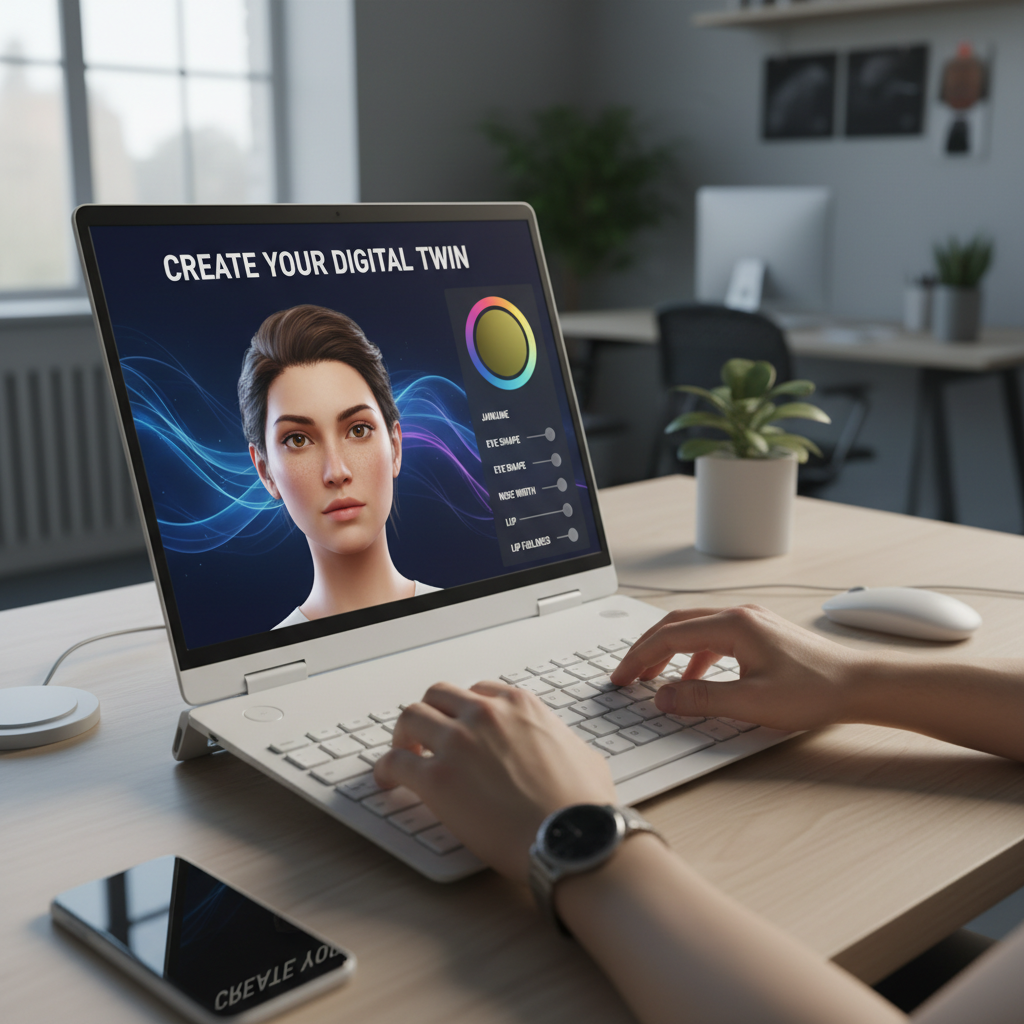
The rise of cloud technology has transformed the way teams collaborate on video projects. Cloud-based platforms allow multiple editors to work simultaneously on the same project, regardless of their physical location.
This innovation fosters a seamless collaborative environment, enabling editors to share files, provide feedback, and track changes in real time. As a result, projects can be completed faster and with greater coherence.
Key Features of Cloud-Based Platforms
- Real-Time Collaboration: Enables multiple users to edit simultaneously.
- Accessibility: Access projects from anywhere with an internet connection.
- Security: Protects sensitive data with advanced encryption.

Virtual Reality (VR) and Augmented Reality (AR) in Editing
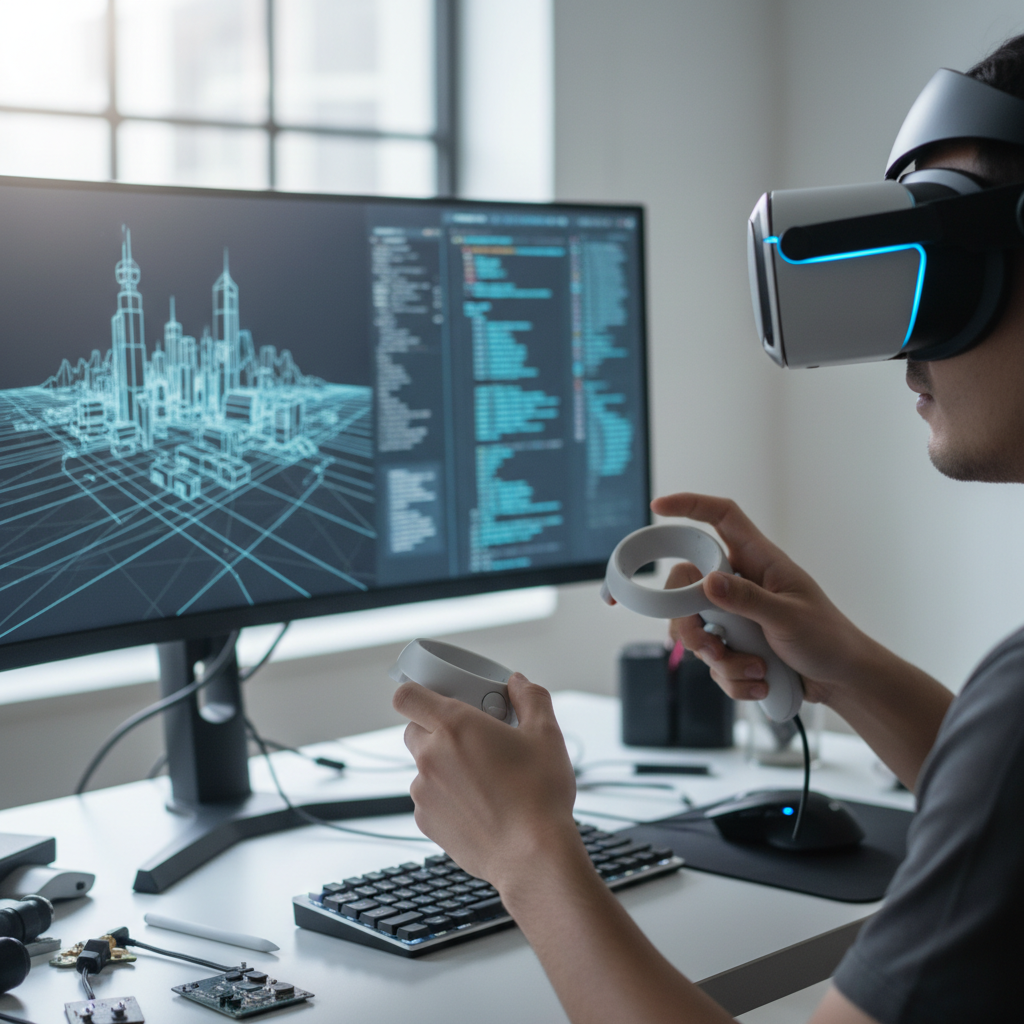
Virtual and augmented reality are no longer just buzzwords; they are becoming integral parts of video editing. VR and AR tools allow editors to create immersive experiences that captivate audiences.
With VR, editors can craft 360-degree videos that transport viewers to another world. AR, on the other hand, allows for the integration of digital elements into real-world environments, offering interactive and engaging content.
Applications of VR and AR
- Immersive Storytelling: Creates engaging and interactive narratives.
- Enhanced Engagement: Captures viewer interest with dynamic content.
- Innovative Marketing: Offers unique ways to showcase products and services.
Conclusion
The video editing landscape is rapidly evolving, driven by technological innovations that enhance efficiency, creativity, and collaboration. From AI-powered tools to VR and AR capabilities, these advancements are opening new doors for content creators.
As the industry continues to grow, embracing these innovations will be key to staying ahead of the curve and producing compelling, high-quality content. The future of video editing is bright, and the possibilities are endless.